

When you step back, what happens to the practice you built?
You may be ready to retire, reduce your hours or help an associate take over. Whatever your plans, we want to understand what matters to you, your team and the hospital you have built. We can explore a transition that gives the next leaders support while keeping medical decisions with the veterinarians.
Canadian-owned
A Canadian company building hospitals here at home.
Independent company
We make our own decisions, with input from experienced veterinary and healthcare leaders.
Veterinarian-led care
The veterinarians caring for patients make the medical decisions.
Every transition is different.
Maybe you already have an associate interested in ownership. Maybe you are still looking for the right person. We can start with where you are and work through the options together.
Start with what matters to you
Tell us your timeline, whether you want to keep practising and what you want to protect about the hospital.
Talk about possible successors
We can consider people already on your team or veterinarians who might be a good fit, and what help they would need to lead.
Plan the transition
If there is a fit, we work through the timing, finances, responsibilities and your future role with you and your advisors.
How Harmony can help.
We are building practical support for the work that takes time away from patients and teams. What is available will depend on the hospital and the stage of our network.
Help with administration
Support with payroll, purchasing, HR and everyday business administration.
Support through difficult situations
Help finding experienced advice when a regulatory complaint or legal issue arises.
Better tools and facilities
Investment in equipment, facilities and technology where it will help the hospital.
Help for the next leaders
Mentorship and training for associates, hospital directors and RVT leaders preparing for bigger responsibilities.
Using the whole team well
A team that can use its training well, with responsibilities that make sense for each role and professional scope.
Other people to turn to
Opportunities to learn from colleagues across the network and ask for another perspective.
What could stepping back look like?
There is no single way to make a transition. Here are three arrangements we can explore.

Retire and hand over the practice
Plan a handover date and explore whether an associate or another veterinarian could take on leadership and co-ownership alongside Harmony.
For owners who are ready to step away and want a thoughtful succession plan.
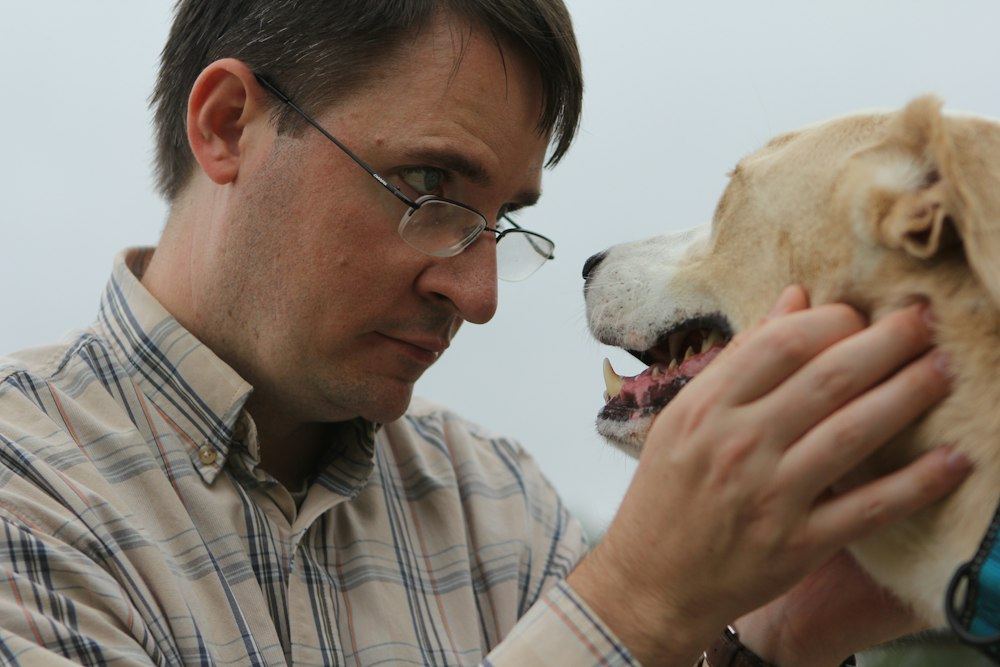
Stay on as medical director
Keep practising and guiding the clinical team while sharing more of the business responsibilities.
For owners who still enjoy medicine but want less administration.
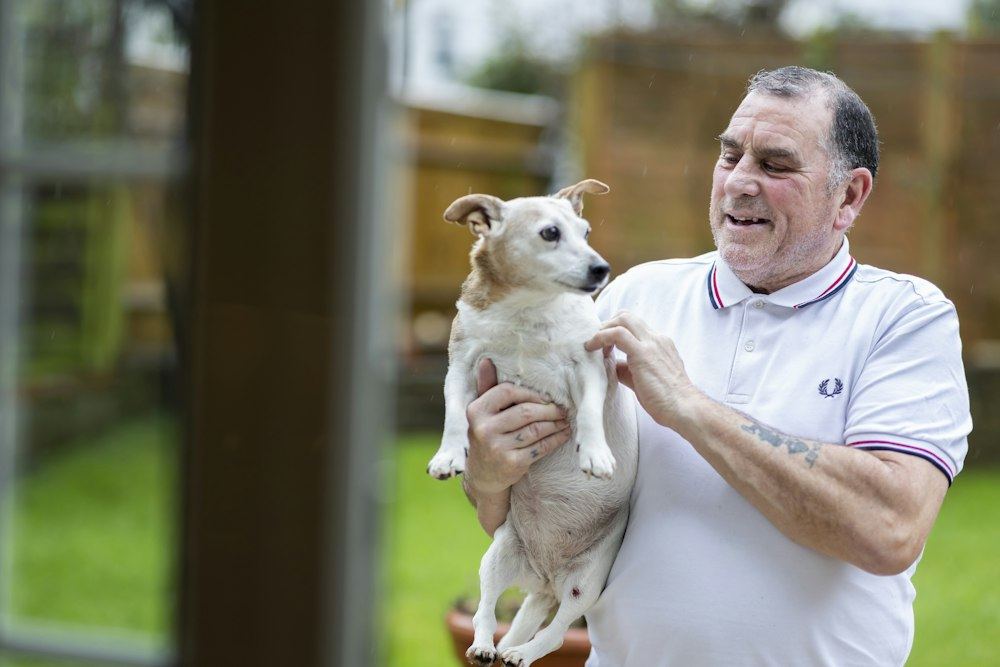
Step back gradually
Reduce your hours over time while helping the next leaders settle in.
For owners who want time to prepare the next generation.
What should carry on.
Clinical judgment
The veterinarians caring for patients remain responsible for medical decisions.
Your hospital's identity
We start with the name and relationships your clients already know.
Your people
We discuss what the transition means for your team and how to support them.
What you have built
The reputation, relationships and standards that make your practice yours.
Are you a veterinarian or team member who wants to start or co-own a practice? See For Practice Leadership.
Questions we hear from practice owners.
What if I don't have a successor?
That is okay. We can talk about whether someone on your team might be interested or whether we could help find a veterinarian who wants to lead a hospital.
Could an associate become an owner?
Potentially. We would discuss their interest, readiness, investment and the structure that might work for everyone.
Will my hospital keep its name?
That is our preference. We want to preserve the name and local identity, and we would put any agreed commitments in the transition documents.
Who makes medical decisions?
The veterinarians caring for patients. Shared clinical standards can help guide care, but they do not replace a veterinarian's professional judgment.
What does co-ownership mean?
Harmony and local leaders may own interests in the businesses supporting the hospital. The exact entities, percentages, decision rights and financial commitments would be explained and agreed for your practice.
What happens to my team?
We would talk through staffing, responsibilities and opportunities for the people already working in the hospital. Any employment or ownership changes would be agreed as part of the transition.
Who owns Harmony?
Harmony is a Canadian-owned company with its own leadership and board. Local veterinarians remain responsible for patient care.
Can I keep practising?
That is an option we can explore. You might stay on as medical director, work part time or retire completely. We would agree on the role and timeline together.
Will I still have a say?
That depends on the role you want after the transition. We would spell out your responsibilities and decision-making rights in the agreement.
Should I involve my lawyer and accountant?
Absolutely. We encourage you to have independent advice before making any decision.
How do we work through the terms?
We would start with a straightforward written outline, then work through the details with you and your advisors before any agreement is signed.
How do we start?
Book a call and tell us a little about your practice. There is no obligation.
Thinking about your next chapter?
We would be happy to hear about your hospital and what you want for its future.